
Top Hotelware Crockery Trends for Restaurants & Hospitality Industry
In 2026 the hospitality sector treats crockery not just as functional ware but as a core part of the guest experience smart restaurateurs and hoteliers choose tableware that complements cuisine, branding, operations, and sustainability goals. These hotelware trends balance aesthetics, durability, and operational efficiency—exactly what restaurants, hotels, caterers, and corporate dining teams need when selecting crockery for daily service and special events.
Minimalist Whites and Neutral Palettes
Minimal, pure-white and neutral-tone crockery remains a dominant choice because it highlights food presentation and pairs with any interior style. Many restaurants opt for matte or soft-gloss finishes in white, off-white, sand, and muted greys to create a clean, modern backdrop that makes colors pop on the plate. These tones also photograph well for social media menus and marketing, helping outlets amplify their visual identity without heavy redesigns.
Textured, Organic and Handcrafted Looks
There’s growing demand for textured and slightly imperfect pieces—rippled rims, fluted edges, reactive glazes and organic shapes that suggest handcraftsmanship. Guests now value the tactile and visual warmth these pieces add, especially in neighbourhood bistros, farm-to-table concepts and boutique hotels. These artisanal styles give chefs a stage to serve more expressive, rustic and composed dishes while signalling authenticity.
Durability, Stackability and Hotel-Grade Performance
Operational realities drive purchasing decisions: crockery must be chip-resistant, stack-safe and able to withstand frequent dishwasher and heat cycles. Porcelain and bone china engineered for hotel use—reinforced rims, thermal-shock resistance and lightweight bodies—are preferred because they reduce breakage, lower replacement costs and speed up service. Stackable, nestable designs that save storage space are especially popular in kitchens with high turnover.

Multi-functional and Oven-to-Table Pieces
Versatility is a major trend. Outlets favour hotelware that can transition from oven to table—deep plates that double as shallow gratin dishes, rimmed casserole plates, or small skillets designed for direct service. Multi-functional pieces cut down on plating time, reduce the number of items a kitchen must manage, and enable creative dish presentations that arrive hot and visually appealing.
Mix-and-Match and Layered Styling
Mix-and-match sets are now mainstream. Pairing a plain white dinner plate with a textured side plate or a colored bowl creates layered tablescapes that feel curated, not mass-produced. This approach lets restaurants refresh table settings incrementally, control budgets, and align plating with seasonal menus or special events without replacing entire sets.
Sustainable Materials and Responsible Sourcing
Sustainability is no longer optional. Hospitality buyers look for crockery made through energy-efficient processes, from recycled or locally sourced raw materials, or using low-impact glazing technologies. Long-lasting crockery that reduces waste (by lasting longer) and comes with recyclable or minimal packaging is highly sought after by eco-conscious hotels and restaurant groups aiming to meet green certifications or corporate ESG goals.
Custom Branding and Personalized Hotelware
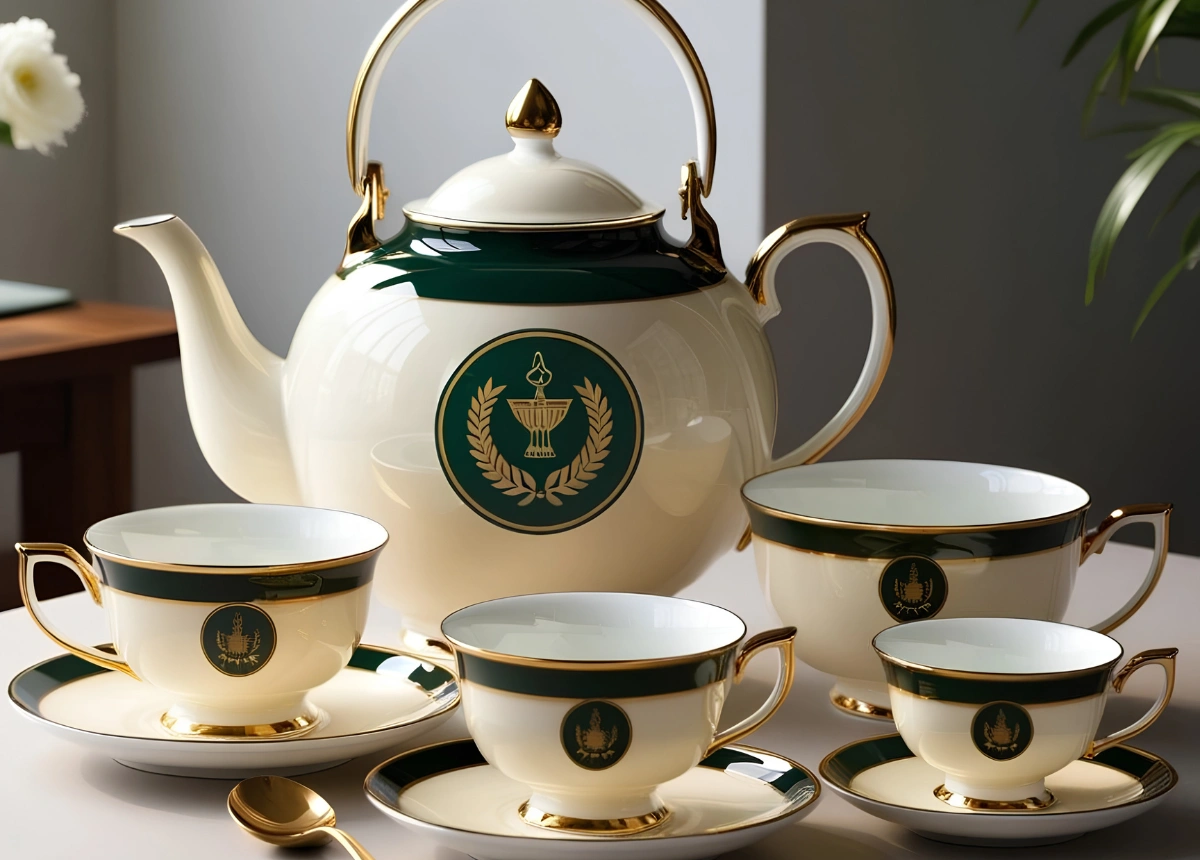
Branded crockery remains a powerful marketing tool. Custom-printed plates, embossed logos, or subtly branded side plates and cups help hotels and restaurants reinforce identity in a memorable way. Advances in printing and glazing allow for durable, dishwasher-safe personalization—ideal for hotel chains, signature restaurants, and venue caterers who want every element to reflect their brand.
Metallic Accents and Premium Details
For premium dining experiences, metallic rims, hand-painted accents, and delicate gilding add glamour without overwhelming the table. Used sparingly—on charger plates, dessert ware, or special-event sets—metallic details instantly raise perceived value. Operators just need to ensure finishes are oven/microwave appropriate and meet service durability standards.
Textured Neutrals and Earth Tones
Alongside white basics, stoneware in earth tones—terracotta, olive, caramel, and slate—is trending for casual fine dining and contemporary ethnic concepts. These palettes create a warm, grounded mood and pair well with natural props like wooden boards, linen napkins and foraged garnishes. The result is a cohesive sensory experience that complements menu provenance.
Technology Integration and Smart Features
Some hotelware makers now integrate tech-friendly details: pieces with QR-code-ready bases, plates designed for consistent portion-control plating, and clearly labeled serviceware for banqueting logistics. Smart crockery doesn’t need to be “digital” to be useful—well-engineered shapes that facilitate portioning and plating speed are a practical form of technology in the back-of-house.
Hygiene, Food-Safety and Easy Maintenance
Post-pandemic expectations for hygiene and traceability influence crockery choices—non-porous glazes, lead- and cadmium-free finishes, and materials that resist staining are priorities. Dishwasher-safe, scratch-resistant surfaces that preserve print and glaze integrity through many cycles reduce the risk of microfissures that trap contaminants.
Event and Banqueting Flexibility
Banqueting inventory emphasizes uniformity and interchangeability: stackable hotel crockery in standardized rim sizes, modular serving stations, and lightweight yet sturdy pieces for logistics efficiency. Color-matched or white basics with occasional specialty plates (for plated desserts or signature presentations) let event teams scale smoothly.
Practical Buying Tips for Hospitality Buyers
- Prioritize durability specs: chip-resistance, rim reinforcement, thermal shock ratings and dishwasher cycles guaranteed.
- Insist on food-safe glaze and print certifications (lead- and cadmium-free).
- Choose stackable, space-efficient shapes for busy kitchens.
- Blend basics with a few signature pieces (textured or metallic) for variety.
- Factor total cost of ownership: cheaper ware often leads to higher replacement and labor costs.
How GlassCrockeryPrint Can Help
A modern restaurant can pair classic white dinner plates for main courses with textured bowls for starters and metallic-accented dessert plates for a premium finish—delivered in stackable formats for easy storage. For hotels and caterers, we can supply bulk, hotel-grade porcelain and bone china with durable custom printing or subtle embossing to match brand standards while meeting operational demands. Fast NCR delivery and bulk packaging options simplify procurement for venues across Delhi and the NCR.
A 120-cover banquet needs reliable stackable plates that can handle 500+ dishwasher cycles per week; choosing reinforced rim porcelain with slip-resistant bases reduces breakage by up to half and speeds up plating—cutting both food-run times and replacement budgets.
Update your tableware strategy by mixing durable basics with a handful of signature pieces that reflect your concept, prioritize tested hotel-grade materials and suppliers who understand hospitality logistics. Contact your crockery partner to request sample sets and service-life testing before placing large orders.
